AI chatbot for small business: what it does, and its honest limits
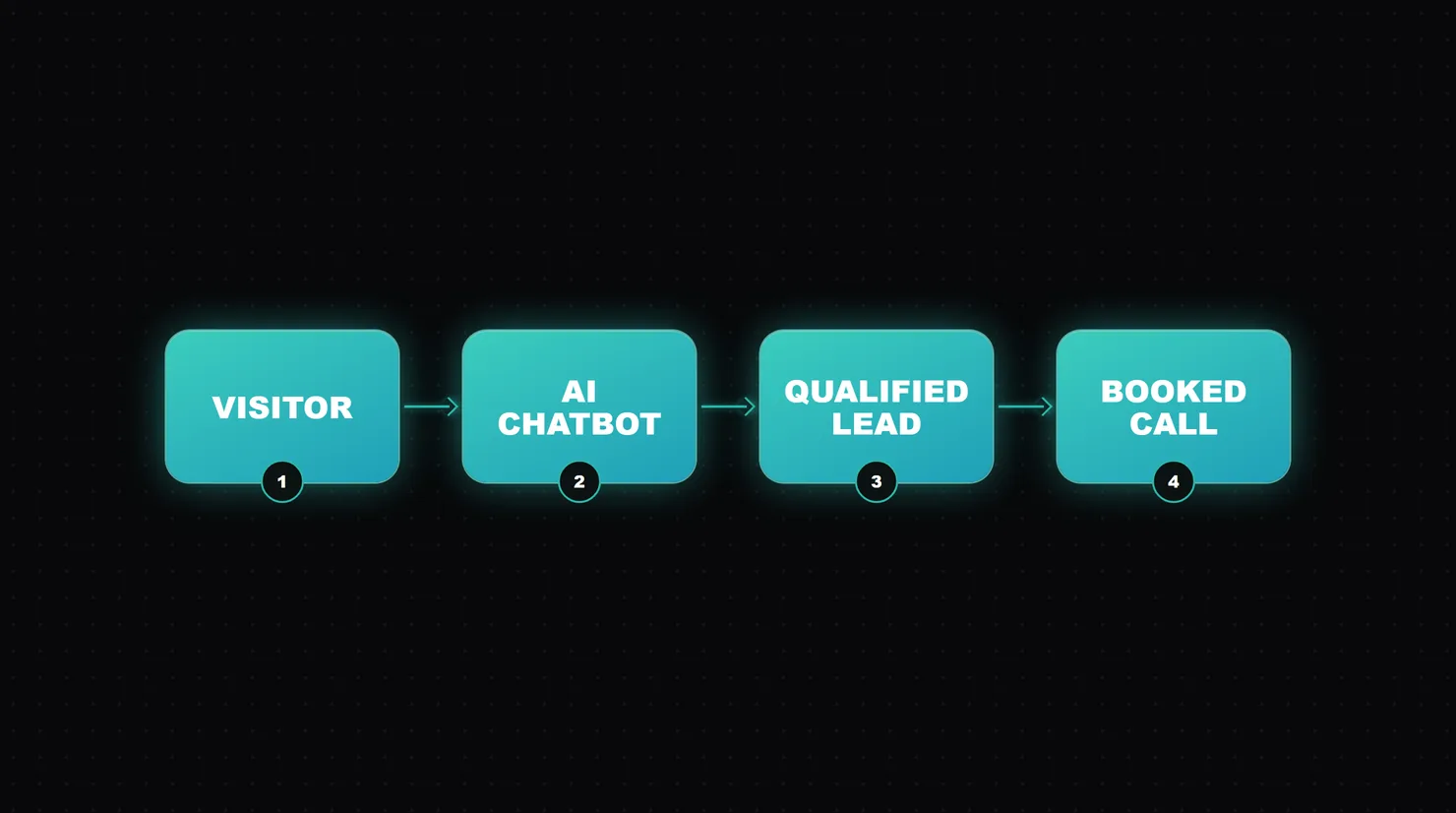
An AI chatbot is one of the most useful things you can add to a small business, and one of the easiest to get wrong. Done well, it answers your customers the moment they ask, day or night, and hands you warm leads while you sleep. Done badly, it frustrates people and sends them to a competitor. Here is the honest version: what a chatbot actually does, where it helps, where it hurts, and how to set one up that people are glad to use.
What an AI chatbot actually is now
Forget the clunky bots of a few years ago that only understood five exact phrases. A modern AI chatbot reads plain language, understands what the person means, and answers in your words using the information you gave it about your business. It is less a menu of buttons and more a helpful staff member who has read everything about your company and never clocks off.
1. Answer the same questions instantly, day and night
Most of your enquiries are the same handful of questions: what do you charge, where are you, do you do this, how does it work. A chatbot answers all of them in a second, at 2am, while you sleep. You stop losing people who wanted a simple answer and were not willing to wait until morning to get it.
2. Qualify leads before they reach you
Not every visitor is a real lead. A good chatbot asks a few smart questions, what they need, when, and their budget, and quietly sorts the serious from the curious. By the time a message reaches you, it is already warm and worth your time, instead of you doing that sifting by hand.
3. Capture the lead and book the call
The best moment to catch a lead is when they are on your site right now. A chatbot can take their name and email into your CRM and offer a booking link before they drift away. That is the difference between a visitor you never hear from and a call on your calendar.
4. Hand off to a human at the right moment
A chatbot should know its limits. When a question gets personal, complex, or high value, it should say so and pass the person to you with the full context of the chat. The goal is not to replace you. It is to handle the easy 80 percent so your time goes to the conversations that actually need a human.
The honest limits, where a chatbot hurts you
A chatbot is only as good as what you feed it. Give it thin information and it guesses, and a confident wrong answer is worse than none. It also should never handle sensitive money or legal promises on its own. And if you hide the fact that it is a bot, people feel tricked. Be upfront, keep it well fed, and give it a clean exit to a human, and none of these become a problem.
How to set one up without sounding robotic
Write down the real questions you get and the exact answers in your voice. Give the bot your offer, your tone, and a clear rule for when to hand off. Test it with the awkward questions, not just the easy ones. The result should sound like you on a good day, not like a call centre script. That is a setup job, not a subscription you switch on and forget.
Where to start
You do not need a chatbot on every page doing everything. Start with one job: answer your top five questions and capture the lead. Get that reliable, then let it do more. Set up once, it works every day, and it quietly catches the customers you were losing to silence and slow replies.
Want these systems built for you?
I set up the CRM, lead follow up, and content systems that run a lean business day to day. Built once, working every day, no monthly bloat.
See what I buildBook a free call